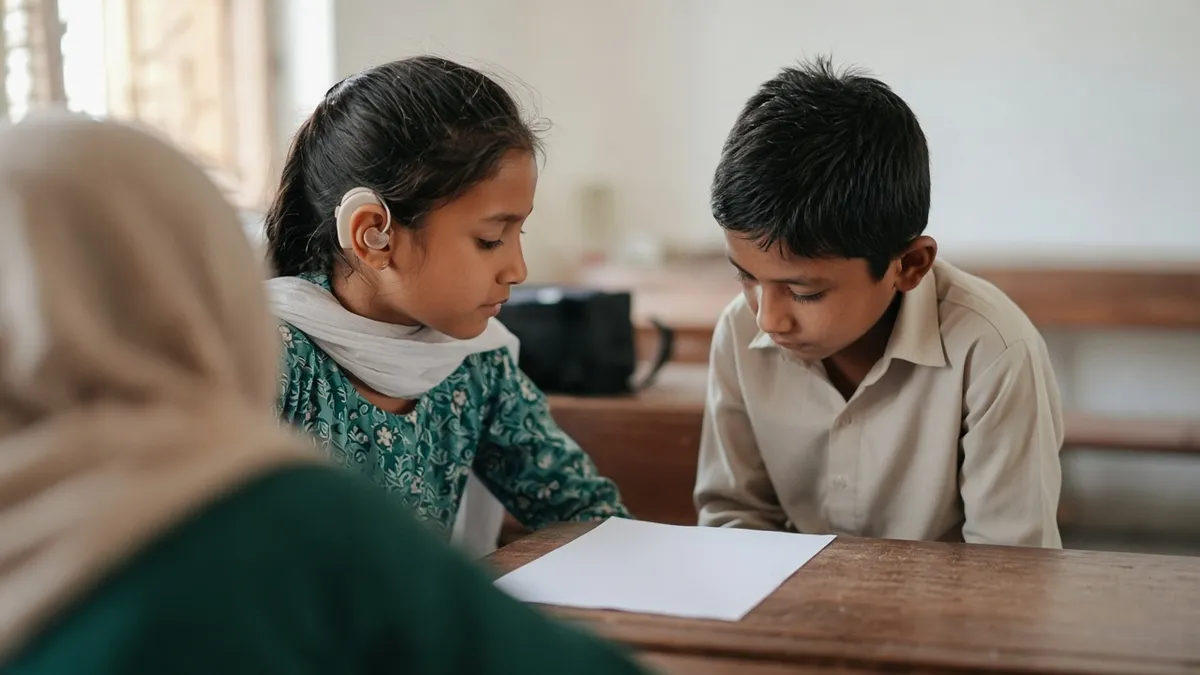
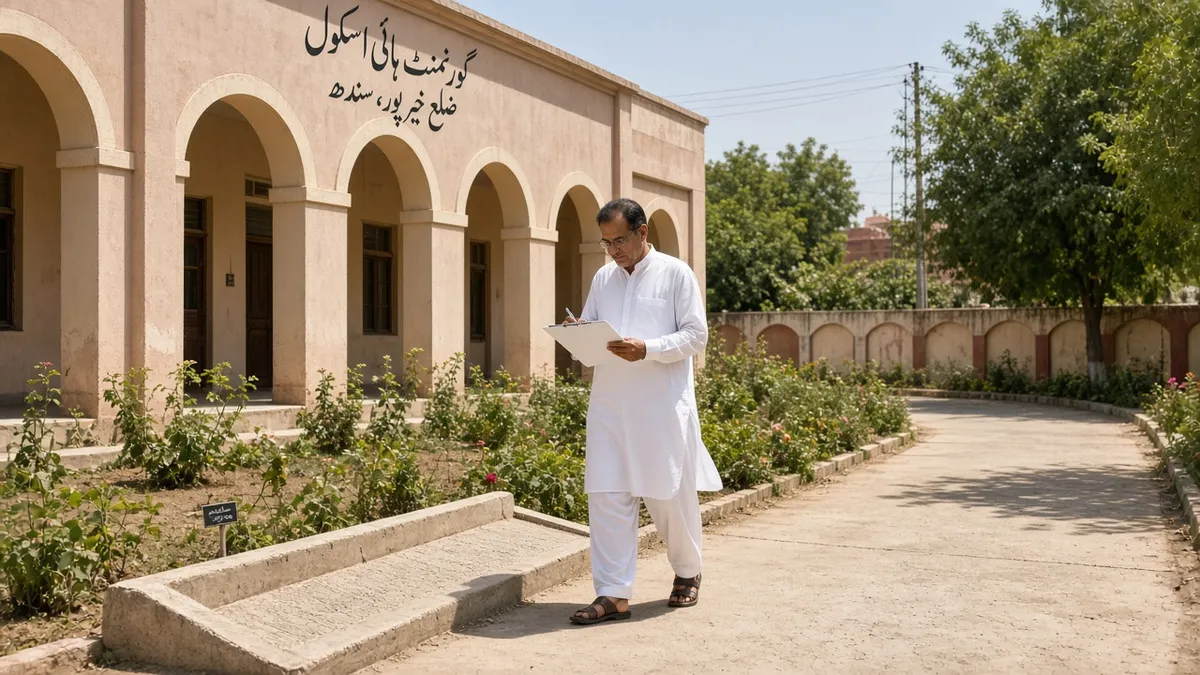
Access
Ramps, toilets, seating, lighting and materials that more learners can use without asking for special permission every day.
Inclusive framework
Four pillars — Access, Participation, Support, Outcomes — turned into daily school actions.
Use the same sequence in any public school: fix the door and desk first, then belonging in the lesson, then targeted help, then check whether children are learning.
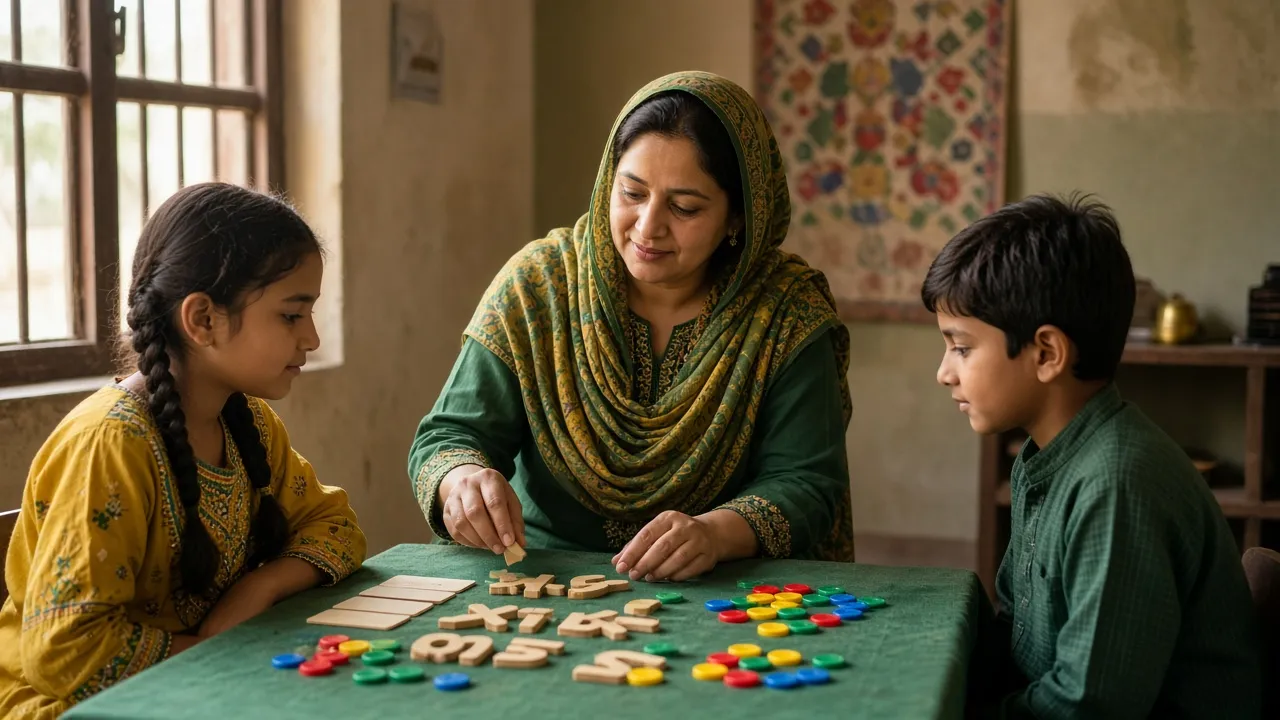
Overview
Start with the building and materials, then teaching and belonging, then targeted support, then check whether children are learning.
Pillars
Each pillar is a set of everyday actions — start with the building, then belonging, then help, then learning checks.
Ramps, toilets, seating, lighting and materials that more learners can use without asking for special permission every day.
Lessons, play and assemblies designed so children join — not only sit at the back and watch.
Devices, adult aides, screening follow-up and family meetings with plain next steps in writing.
Simple ways to notice progress, celebrate small wins, and adjust the plan after a short review cycle.
In a school
Walk the campus with access in mind.
Share one practical classroom method.
Agree supports in plain language.
Offer more than one way to show learning.
Check what helped after a short cycle.
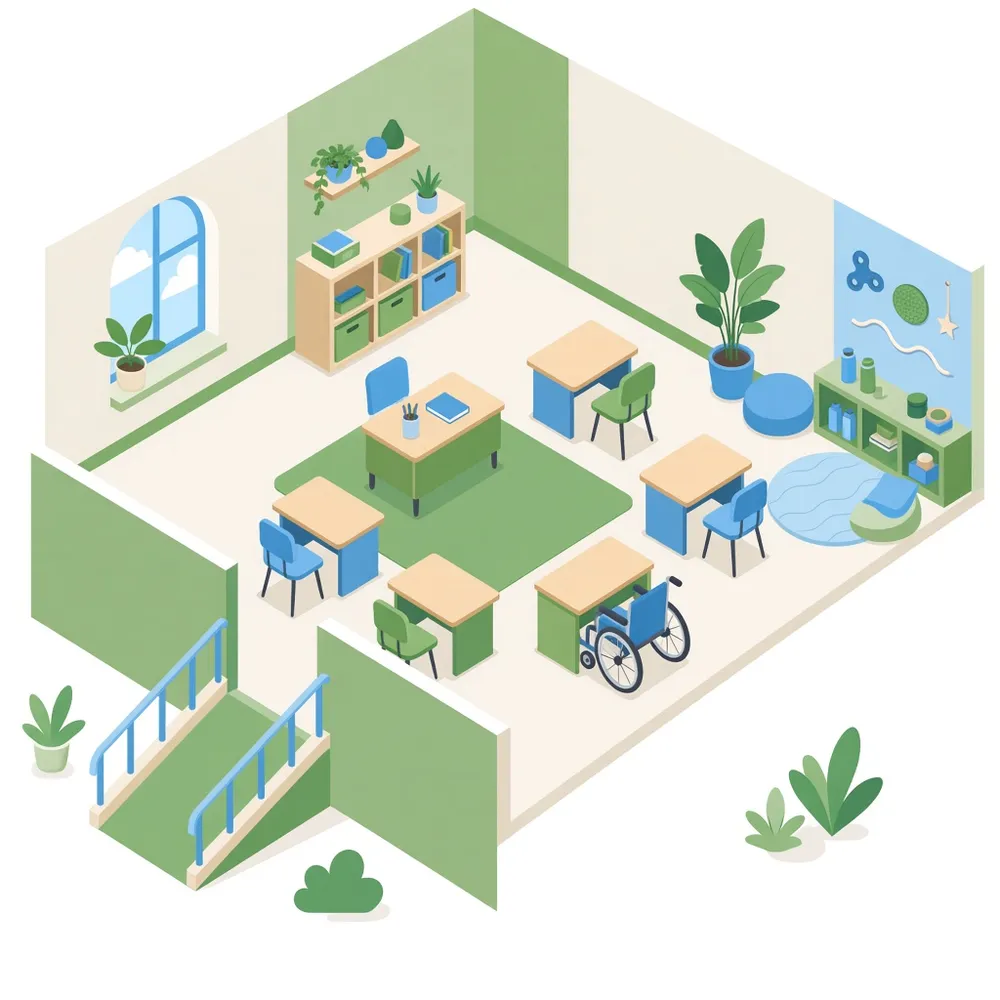
Roles
Everyone has a clear part — classroom, home, school gate and the Directorate desk.
Plan lessons with options, notice who is left out, and ask for tools or a mentor early — before a child falls behind.
Share what works at home, bring the papers you already have, and ask for written next steps after every meeting.
Champion access works, protect open admission, and schedule short review meetings with families and staff.
Provide training, device pathways, screening guidance and a public desk families can call without fear.